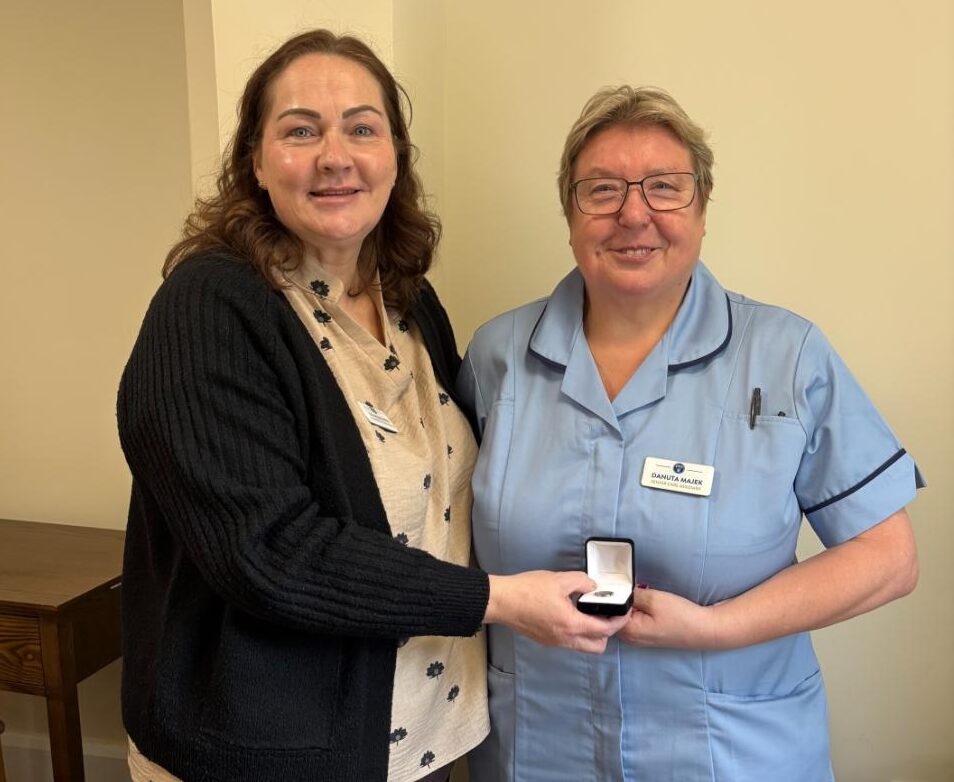
Understanding Personalised Care: Why It’s Vital In Modern Health & Social Support
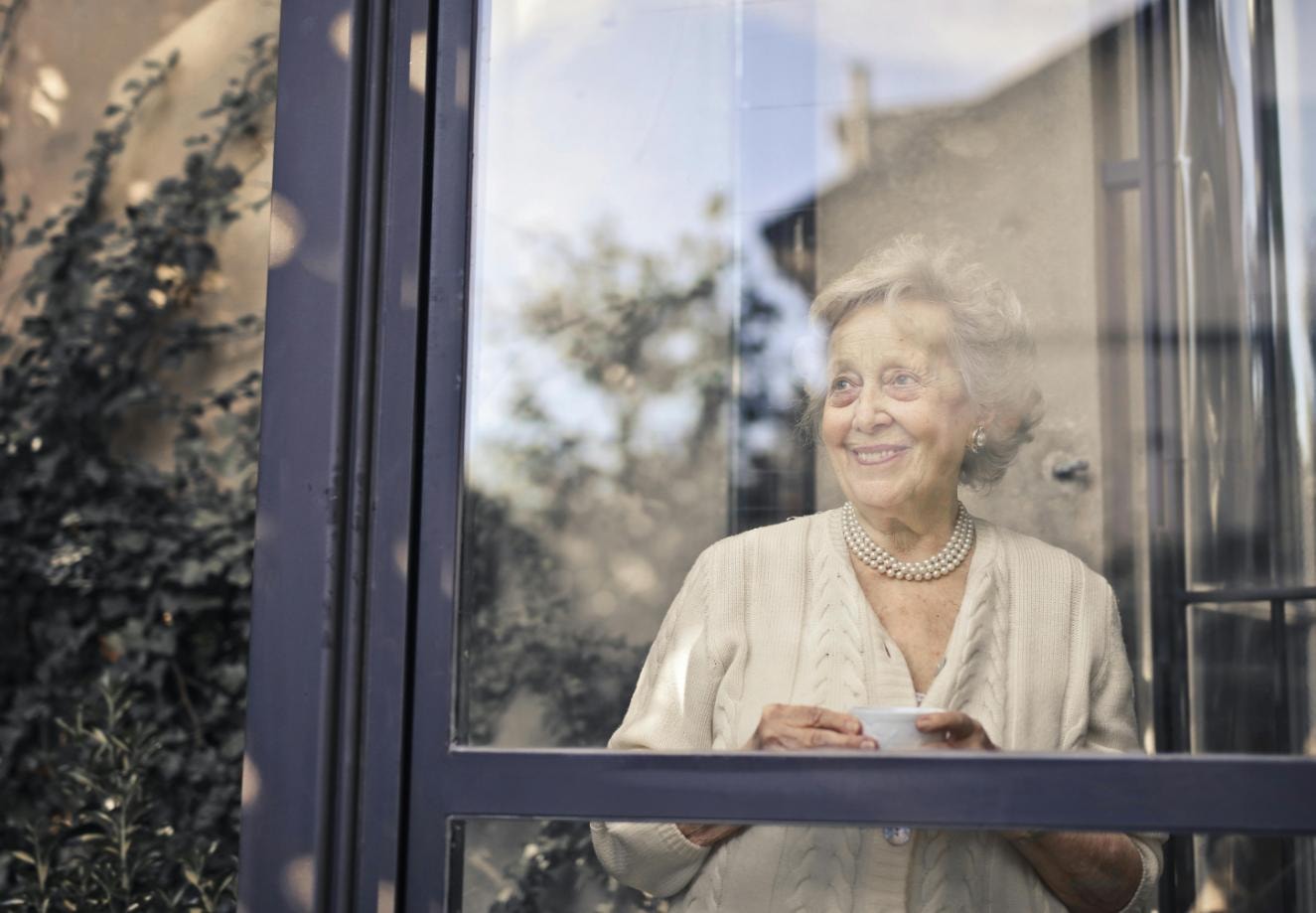
No two people are alike, as our experiences, personalities, care needs and preferences all differ. So why should care be the same for everyone? This is where personalised care comes into play, placing an individual’s uniqueness at the centre. It ensures that care plans reflect not just their health needs, but also their lifestyle, choices and what truly matters to them.
What Is Person Centred Care In A Care Home?
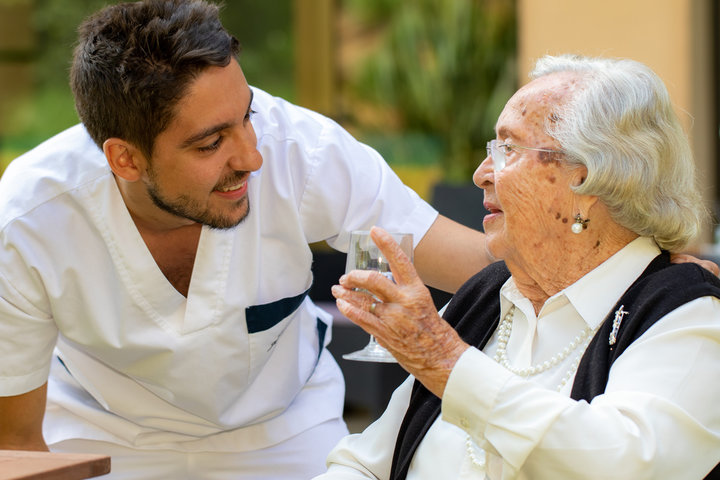
Person centred care in a care home is far more than a guiding idea, it’s a way of working that influences every interaction, every decision and every aspect of daily life. It means taking the time to truly understand each resident, not just their health conditions, but who they are as a person and what works for them.
This approach involves both residents and their families as active partners in care. Their views, preferences, suggestions and goals are not only listened to but respected and acted upon. Care is shaped around their routines, their interests and their sense of identity, helping them maintain a sense of control and independence.
In practice, this means care professionals work closely with residents, their loved ones and sometimes wider support networks to build care plans that are both effective and meaningful. It’s not simply about meeting needs, it’s about improving quality of life.
For example, an older person living with mobility challenges may need support with movement, medication, and personal care. But that’s only part of the picture. They may also enjoy gardening, value time outdoors, or look forward to social events. A person centred approach ensures these preferences are not overlooked like they might have been in the past but built into daily life, creating a more balanced, fulfilling experience.
By bringing together medical care, emotional support and social engagement, person centred care offers a more complete and compassionate way of supporting individuals in a care home setting. Research shows that 75% of residents said they understood their condition better when involved in person-centred care planning.
What Are The Core Principles?
At its foundation, person centred care is guided by a set of principles that shape how care is delivered. These principles ensure that support remains respectful, responsive and truly focused on the individual. First and foremost is recognising individuality. Every person has their own needs and preferences and care should reflect that. No two care plans should look the same because no two people are the same. Equally important is active participation. People should feel involved in decisions about their care, whether that’s choosing how they spend their day, what support they receive, or how their routines are structured. This involvement helps maintain a sense of independence and control in later life.
Collaboration across all parties plays a key role in effective care and often involves a range of professionals, from carers and nurses to therapists and external services. When these teams work together, alongside families and the individual themselves, care becomes more coordinated and consistent and towards the same goal.
Respect and dignity underpin everything and personal care plans should always honour a person’s values and personal choices, ensuring they feel valued and understood.
Finally, flexibility is essential, as with life needs or circumstances can change over time, sometimes gradually and sometimes unexpectedly. Person centred care adapts to these changes, ensuring that support remains relevant and continues to meet the individual’s needs.
Together, these principles shift care from something that is done to a person, to something that is done with them.
Care Planning: A Living & Flexible Document
Care planning is at the heart of person centred care, but it’s not about ticking boxes or following a rigid schedule. A good care plan is a living, evolving document that grows alongside the individual. It outlines the practical aspects of care, the support required, how it will be delivered and who is responsible, but it also goes deeper. It reflects personal preferences, daily routines, likes and dislikes and even emotional or spiritual needs. It answers not just “what support is needed?” but “why does it matter?”


Regular reviews are a key part of this process and are typically done monthly or on an agreed time frame, again depending on the person). As circumstances change, whether due to health, mobility, or personal preference, the care plan is updated to reflect those changes. This ensures that care never becomes outdated or disconnected from the person it is meant to support and remains forever current.
For care professionals, this provides clarity and direction. For residents and their families, it offers reassurance that their voice is heard and that their preferences remain central at all times.
Holistic Support: Beyond Medical
One of the most important aspects of person centred care is its focus on the whole person. While medical support is essential, true wellbeing goes far beyond physical health as stated in the Care Act 2014, which requires care to promote wellbeing, not just treat illness.
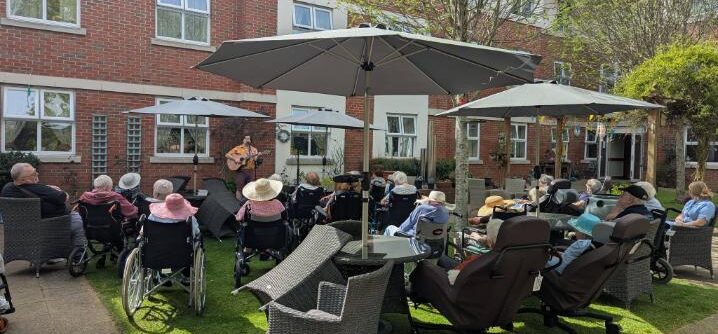
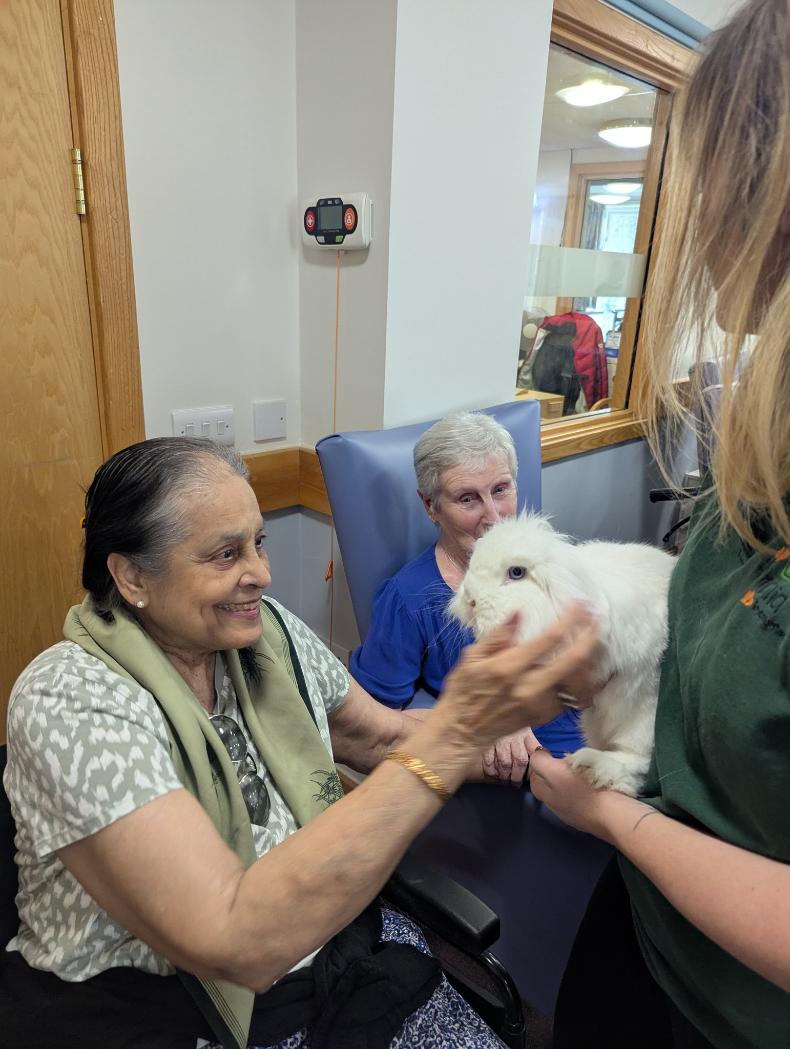
Person centred care recognises the importance of emotional, social and recreational wellbeing. It understands that happiness and quality of life are shaped by meaningful experiences, relationships and a sense of purpose. That’s why care plans often include activities and opportunities that reflect a person’s interests. This might be something as simple as maintaining a daily routine, enjoying music, spending time outdoors, or taking part in group activities. These moments can have a powerful impact, helping individuals feel connected, engaged and fulfilled.
Social interaction is particularly important in care home settings. Encouraging friendships, family visits and community involvement helps reduce feelings of isolation and supports emotional wellbeing.
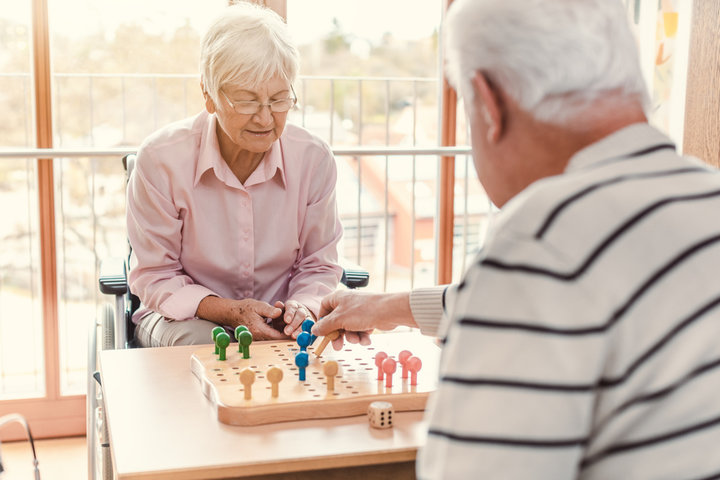

By looking beyond medical needs and embracing a more holistic view, person centred care supports not just survival, but a life that feels meaningful and enjoyable.
Bringing It All Together
Person centred care is, at its heart, about putting people first. It’s about recognising that every individual has their own story, their own preferences, and their own way of living and that care should reflect that.
By bringing together thoughtful care planning, meaningful involvement and a focus on the whole person, this approach creates a more compassionate and effective way of supporting individuals. It empowers people to maintain independence where possible, strengthens relationships between residents and care teams, and ensures that care feels personal rather than routine.
In a care home setting, this approach can make a significant difference. It turns care from a task into a relationship, from a service into an experience.
Ready To Learn More About Our Person Centred Approach At Tunbridge Wells?
At Tunbridge Wells Care Home, person centred care is at the core of everything we do. From the way care plans are developed to the activities on offer and the involvement of families, every detail is designed to support each resident as an individual. The focus is always on creating an environment where people feel comfortable, respected and able to live a life that feels meaningful to them.
If you’d like to learn more about how person centred care is delivered in practice, or to experience the welcoming environment at Tunbridge Wells Care Home for yourself, our friendly team would be delighted to hear from you.